

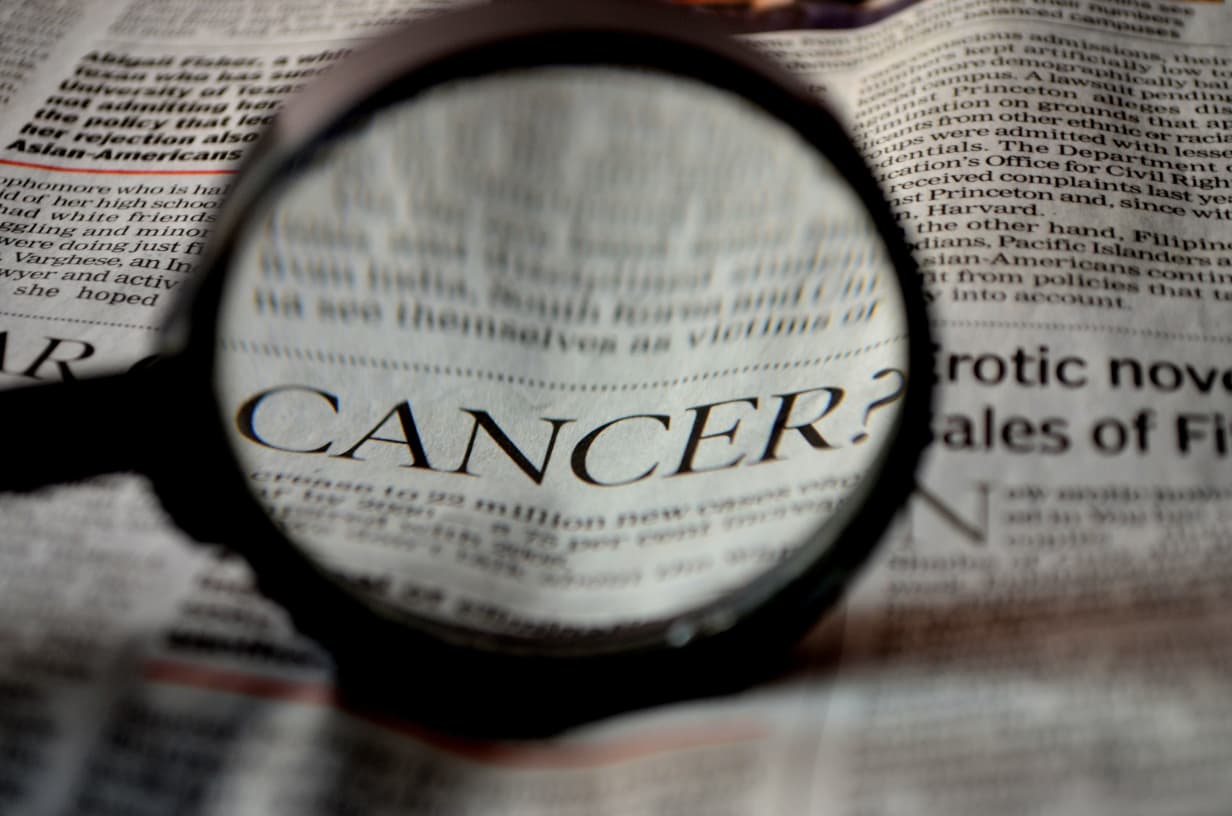
A comprehensive, patient-first guide to understanding cancer — what causes it, how to spot it early, and what world-class treatment in 2026 actually looks like.
Medically reviewed content · Manal Healthcare Patient Education · Updated 2026
Hearing the word 'cancer' — whether from a doctor, a family member, or in a scan report you are reading alone — changes something. Most people describe a moment of stillness before everything that comes next: the questions, the fear, the research at midnight, the conversations no one wants to have.
This guide exists for that moment. It is written for patients and families who need honest, clear information about cancer — what it is, how it develops, what the warning signs actually look like before a diagnosis, and what modern treatment offers in 2026. It is also written for patients in Africa and the Middle East who are considering cancer treatment in India — a country that now treats over 507,000 international patients per year and has emerged as one of the world's leading destinations for oncology care.
Cancer is serious. It is also, in many cases, treatable — and increasingly survivable when caught early and managed at the right centre. That is the honest starting point.
India treated over 507,000 international patients in 2025 alone — with patients saving 60 to 80 percent on treatment costs compared to the UK or USA. At India's top oncology centres, early-stage cancers carry a 5-year survival rate above 95%. Citizens from 172 countries are eligible for India's e-Medical Visa, making access straightforward for patients from Africa and the Middle East.
What Cancer Actually Is — In Plain Language
Every cell in the human body follows instructions encoded in its DNA — grow, divide, stop, die in an organised cycle. Cancer is what happens when those instructions break down. A cell's DNA becomes damaged or mutated, and instead of following the normal cycle, the cell begins dividing without stopping, ignoring the signals that would normally tell it to slow down or die.
Over time, these cells accumulate and can form masses called tumours. Not all tumours are dangerous — benign tumours grow locally and do not spread. Malignant tumours are the ones we call cancer: they can invade neighbouring tissue and, if not treated, travel through the bloodstream or lymphatic system to other parts of the body. This process — cancer spreading to a location away from where it started — is called metastasis, and it is what makes late-stage cancer significantly harder to treat than early-stage disease.
There are over 100 recognised types of cancer, classified by where in the body they originate. The most common globally include:
• Breast cancer — the most commonly diagnosed cancer in women worldwide
• Lung cancer — the leading cause of cancer death globally, strongly linked to smoking
• Colorectal cancer — highly treatable when caught through routine screening
• Prostate cancer — common in men, often slow-growing and manageable when detected early
• Cervical cancer — preventable through HPV vaccination, and prevalent in Sub-Saharan Africa
• Blood cancers — leukaemia, lymphoma, and myeloma, treated with chemotherapy and bone marrow transplant
• Liver cancer — high incidence in Sub-Saharan Africa and parts of the Middle East, linked to hepatitis B and C
Why liver and cervical cancer matter specifically for African patients
Hepatitis B and C — both risk factors for liver cancer — have high prevalence across Nigeria, Kenya, Ghana, and Ethiopia. Cervical cancer, largely preventable through HPV vaccination, remains the second most common cancer in Sub-Saharan African women due to low vaccination coverage. These are not statistics — they are conditions affecting families in our specific patient communities, and they are treatable with world-class oncology care in India.
What Causes Cancer — and What Is Actually Within Your Control
Cancer does not have a single cause. In most cases, it is the result of accumulated DNA damage over years — from multiple sources, sometimes genetic, sometimes environmental, sometimes both. Understanding the causes helps with prevention and also helps patients stop blaming themselves for a diagnosis that is rarely the result of any single decision.
Factors That Directly Damage DNA
• Tobacco use — smoking causes approximately 22% of cancer deaths globally. It is one of the few cancer risk factors where stopping — at any age — measurably reduces future risk
• Radiation exposure — both ultraviolet radiation from sun exposure (skin cancer) and ionising radiation from medical imaging or environmental sources
• Carcinogenic chemicals — asbestos, benzene, formaldehyde, and others encountered in certain industrial and occupational settings
• Viral infections — HPV causes cervical and throat cancer. Hepatitis B and C cause liver cancer. Epstein-Barr virus is linked to lymphoma. H. pylori bacteria increases stomach cancer risk
Lifestyle and Metabolic Factors
• Obesity and poor diet — excess body fat drives chronic inflammation and disrupts hormone regulation — both of which create conditions that support tumour growth
• Alcohol — directly damages DNA and is linked to cancers of the liver, breast, oesophagus, and colon
• Physical inactivity — regular movement reduces cancer risk, likely through multiple metabolic and hormonal pathways
Genetic Factors
Approximately 5 to 10 percent of cancers are primarily caused by inherited genetic mutations. The most well-known are BRCA1 and BRCA2 mutations, which significantly increase breast and ovarian cancer risk. A family history of cancer — particularly in a first-degree relative — is a meaningful risk signal that warrants earlier and more frequent screening, not inevitability.
Important
Having a genetic risk factor does not mean cancer is inevitable. It means screening and prevention deserve more attention, sooner. Modern genetic testing can identify inherited risks before cancer develops — and informed early action saves lives.
Early Warning Signs — What Your Body Is Trying to Tell You
One of the most important things to understand about cancer warning signs is this: most of these symptoms, most of the time, are caused by something other than cancer. A persistent cough is usually a respiratory infection. Unexplained fatigue is more often anaemia or thyroid dysfunction than malignancy. Weight loss frequently has benign explanations.
But when these symptoms are persistent — lasting more than two to three weeks without a clear explanation — they deserve a medical evaluation. The goal of recognising warning signs is not to cause alarm. It is to lower the threshold for seeking a proper assessment, because the single biggest factor in cancer outcomes is how early it is diagnosed.
Symptoms That Appear Across Many Cancer Types
• Unexplained weight loss — losing more than 5% of body weight over 6 to 12 months without changes in diet or activity deserves investigation
• Persistent, unexplained fatigue — the kind that does not improve with rest and is noticeably different from your normal tiredness
• A lump or thickening anywhere in the body — particularly in the breast, armpit, neck, groin, or abdomen
• Changes in a mole or skin lesion — asymmetry, irregular border, colour change, diameter growth, or evolution over time
• Persistent cough or hoarseness — particularly in smokers or ex-smokers, or anyone over 45
• Difficulty swallowing — dysphagia that is progressive or accompanied by pain warrants prompt evaluation
• Changes in bowel or bladder habits — blood in stool, rectal bleeding, persistent change in stool consistency, or blood in urine
• Unusual bleeding or discharge — postmenopausal bleeding, blood in sputum, unexplained vaginal discharge
• Persistent pain without clear cause — particularly bone pain, headaches that are new and progressive, or abdominal pain
The symptom that African patients most often delay acting on
In clinical patterns across Sub-Saharan Africa, the most commonly delayed symptom is a lump — particularly in the breast or neck. Cultural factors, limited access to diagnostic services, and normalisation of discomfort all contribute to late-stage presentation. At Manal Healthcare's partner hospitals in India, cervical cancer, breast cancer, and lymphoma are frequently diagnosed at an advanced stage in African patients who arrive for treatment. Earlier consultation — even a free online second opinion — changes outcomes.
Who Is at Higher Risk — and What That Actually Means
Risk factors are not verdicts. Having multiple risk factors does not mean you will develop cancer — it means your body deserves closer monitoring and that some preventive actions are worth taking seriously.
• Tobacco use at any level — even occasional smoking carries elevated risk
• Age above 50 — most cancers are significantly more common after 50, which is why screening becomes critical in this decade
• Family history of cancer — particularly breast, ovarian, colorectal, or prostate cancer in a parent or sibling
• Chronic infections — untreated hepatitis B or C, persistent HPV infection
• Occupational exposure — certain chemicals, asbestos, or radiation in the workplace
• Obesity — particularly central obesity, which drives inflammation and hormonal disruption
• Excessive alcohol consumption — more than one drink per day for women, two for men
How Cancer Is Diagnosed — From First Appointment to Confirmed Staging
A cancer diagnosis is not a single test — it is a process. Understanding what that process involves helps patients navigate it without feeling passive or overwhelmed.
Clinical Assessment
The process begins with a thorough history — symptoms, duration, family history, lifestyle factors — and a physical examination. This gives the treating doctor a clinical picture that guides which investigations to order. At India's top oncology centres, the clinical assessment is done by a senior oncologist, not a generalist, from the first consultation.
Imaging
CT scans, MRI scans, PET scans, and ultrasound imaging locate tumours, estimate their size, and assess whether cancer has spread to lymph nodes or distant organs. High-resolution imaging technologies available at Indian hospitals like BLK-Max, Apollo, and Fortis — including 3T MRI, 64-slice cardiac CT, and PET-CT — allow earlier and more precise detection than is available at many hospitals in Africa or the Middle East.
Biopsy
A biopsy — the removal and laboratory analysis of a tissue sample — is the gold standard for confirming a cancer diagnosis. It tells the pathologist not just that cancer is present but what type it is, how aggressive it appears (its grade), and which molecular features it carries. This information is essential for choosing the right treatment.
Molecular and Genetic Testing
Modern oncology has moved far beyond simply identifying cancer type. Tumour profiling — sequencing the genetic mutations within a specific tumour — now guides treatment choice with a precision that was not possible a decade ago. A breast cancer patient whose tumour is HER2-positive will receive a different treatment than one whose tumour is oestrogen-receptor positive. This is not a minor distinction — it determines which drugs work and which do not.
Staging
Once cancer is confirmed, staging determines how far it has progressed — from Stage I (localised, most treatable) to Stage IV (metastatic, requiring systemic treatment). Staging drives every treatment decision and gives the oncologist a framework for realistic prognosis and goal-setting with the patient.
For patients arriving from Africa and the Middle East
Many patients who come to India for cancer treatment have already had local investigations — an X-ray, a biopsy, or a CT scan. Manal Healthcare's partner oncologists will review existing reports before a patient travels, tell them whether additional investigations are needed, and advise whether the diagnosis already received is accurate. A second opinion before committing to a treatment plan is one of the most valuable things a cancer patient can do — and it is free through Manal Healthcare.
Modern Cancer Treatment in 2026 — What Has Actually Changed
Cancer treatment in 2026 looks fundamentally different from what it looked like even ten years ago. The shift from one-size-fits-all chemotherapy to personalised, molecularly targeted treatment has transformed outcomes for many cancer types. Here is what modern oncology actually offers:
Surgery
Surgery remains the primary treatment for many solid tumours — removing the tumour and a margin of surrounding tissue before cancer has spread. The evolution has been in how surgery is done. Minimally invasive laparoscopic and robotic-assisted surgical techniques, available at India's top centres, mean smaller incisions, less blood loss, lower infection risk, and significantly faster recovery. A cancer surgery that once required a week of ICU care may now mean discharge in two to three days.
Radiation Therapy
Radiation therapy uses high-energy beams to destroy cancer cells or shrink tumours. The critical advance in radiation has been precision. Modern techniques including IMRT (Intensity-Modulated Radiation Therapy) and Stereotactic Body Radiotherapy (SBRT) deliver radiation to the exact tumour location while sparing surrounding healthy tissue to a degree that was not achievable with older technology. Proton therapy — available at select Indian centres — takes this precision further, depositing radiation energy almost entirely within the tumour, with minimal exit dose to surrounding structures.
Chemotherapy
Chemotherapy uses drugs to kill rapidly dividing cells and remains effective for many cancer types — particularly blood cancers, and as an adjuvant treatment after surgery to eliminate microscopic residual disease. The side effect profile of many chemotherapy agents has improved significantly with modern supportive care protocols. For patients who have been told they need chemotherapy and are concerned about tolerating it, a conversation with an experienced oncologist about current anti-nausea protocols, haemopoietic growth factors, and dose optimisation strategies is reassuring.
Targeted Therapy
Targeted therapy drugs work against specific molecular targets within cancer cells — proteins or gene mutations that drive tumour growth. Because they target cancer-specific features rather than all rapidly dividing cells, they cause less collateral damage to healthy tissue than conventional chemotherapy. Examples include trastuzumab (Herceptin) for HER2-positive breast cancer, imatinib (Gleevec) for certain leukaemias, and EGFR inhibitors for specific lung cancers. The key is that the tumour must carry the specific target the drug works against — which is why molecular profiling of the biopsy sample is now standard before treatment begins.
Immunotherapy
Immunotherapy is arguably the most transformative development in oncology of the past decade. Rather than attacking cancer directly, immunotherapy works by releasing the brakes on the patient's own immune system — enabling it to recognise and destroy cancer cells that would otherwise evade immune detection. Checkpoint inhibitors like pembrolizumab and nivolumab have produced durable responses in cancers — including melanoma, lung cancer, and certain lymphomas — where outcomes were previously very poor. CAR T-cell therapy, available at selected Indian hospitals including BLK-Max, takes this further: a patient's own T-cells are extracted, genetically engineered to recognise their specific cancer, and reinfused. It is one of the most complex and expensive cancer treatments available anywhere in the world — and India is one of the few countries where it is accessible at a fraction of Western prices.
Hormone Therapy
For hormone-sensitive cancers — oestrogen-positive breast cancer and prostate cancer — blocking the hormonal signals that drive tumour growth is a cornerstone of treatment. Modern hormone therapy agents are significantly more targeted and better tolerated than earlier generations, and are often used as long-term maintenance therapy after primary treatment.
Bone Marrow and Stem Cell Transplant
For blood cancers including leukaemia, multiple myeloma, and lymphoma, bone marrow transplant (BMT) or stem cell transplant replaces a patient's diseased blood-forming cells with healthy donor cells. India — particularly BLK-Max Hospital, which is recognised worldwide for haematology and bone marrow transplants — is one of the most experienced and most affordable destinations in the world for this procedure. Patients from Africa and the Middle East travel specifically to India for BMT at a fraction of what the same procedure costs in the UK, Germany, or the USA.
On CAR T-cell therapy and BMT in India
BLK-Max Hospital in Delhi is one of the few centres outside Western Europe and North America offering CAR T-cell therapy. It is also among the world's leading centres for bone marrow transplant volume. For African patients with blood cancers who have been told that BMT or CAR-T is recommended, India is the most accessible world-class option — both clinically and financially.
The Technology Behind Modern Cancer Care in India
The reason patients from Africa, the Middle East, and increasingly from North America and Europe choose Indian hospitals for cancer treatment is not only cost — it is the technology that those hospitals have deployed, which in many cases matches or exceeds what is available in government-funded healthcare systems elsewhere.
Robotic-Assisted Surgery
The Da Vinci Xi robotic surgical system, available at Apollo, Fortis, and Max hospitals, allows surgeons to operate through tiny incisions with a precision and range of motion the human hand cannot replicate. For cancer surgeries involving the prostate, kidney, gynaecological organs, and thorax, robotic assistance means less blood loss, lower risk of surgical complications, and faster return home.
Proton Therapy
Proton therapy is the most precise form of radiation currently available. Unlike conventional X-ray radiation, which deposits energy along its entire path through the body, proton beams deposit their energy almost exclusively at the tumour site before stopping. This is particularly valuable for tumours close to critical structures — the brain, spine, or eyes — and for paediatric cancers where minimising radiation to developing organs is a priority.
PET-CT and Advanced Imaging
PET-CT scanning combines metabolic activity data with precise anatomical imaging — identifying not just where a tumour is but how metabolically active it is, which indicates aggressiveness and helps stage the disease accurately. High-resolution PET-CT available at India's top centres allows oncologists to detect lesions that standard CT would miss, changing the treatment plan before it begins.
Artificial Intelligence in Oncology
AI-assisted pathology and radiology are being integrated into diagnostic workflows at leading Indian hospitals. Machine learning systems trained on millions of oncology cases help radiologists identify subtle findings in scans and assist pathologists in tumour classification. This does not replace clinical judgment — it augments it, reducing missed findings and improving diagnostic accuracy.
Precision Medicine and Tumour Profiling
Comprehensive genomic profiling of a patient's tumour — sequencing hundreds of cancer-related genes in a single test — is now available at Indian oncology centres and has become standard of care for many solid tumours. The results directly influence which targeted therapies or immunotherapy agents are most likely to work, avoiding ineffective treatments and their side effects, and saving both time and money at a point in a patient's journey where both matter enormously.
When to See a Doctor — And Why Earlier Is Always Better
Early detection is the most powerful tool in oncology. The difference between Stage I and Stage III cancer in terms of treatment complexity, cost, duration, and survival is not marginal — it is often the difference between a curative and a palliative goal.
Seek medical evaluation if you experience any of the following lasting more than two to three weeks without a clear explanation:
• Unexplained weight loss of more than 4 to 5 kilograms
• A new lump or swelling anywhere in the body that does not resolve
• Persistent fatigue that does not improve with rest
• Unexplained bleeding from any site — stool, urine, cough, or postmenopausal
• Progressive difficulty swallowing or eating
• A persistent cough or hoarseness lasting more than three weeks
• Any mole or skin lesion that is changing in size, shape, or colour
For patients without access to a specialist locally
If you are in Nigeria, Kenya, Ghana, Oman, or Saudi Arabia and are concerned about a symptom but cannot see an oncologist locally — or are not satisfied with the assessment you received — Manal Healthcare arranges free online second opinions with senior Indian oncologists. Share your scan reports, biopsy results, or symptom description on WhatsApp. A specialist will review and respond within 24 hours. You do not need to travel to get a credible clinical opinion.
Realistic Cancer Prevention — What the Evidence Actually Supports
Not all cancers are preventable. But a meaningful proportion of cancer cases are linked to modifiable risk factors — meaning that specific changes in behaviour or environment genuinely reduce risk. The following are evidence-based prevention measures, not generic lifestyle advice:
• Stop smoking — tobacco causes 22% of global cancer deaths. Stopping at any age reduces future cancer risk measurably
• Hepatitis B vaccination — directly prevents liver cancer in regions where hepatitis B is endemic, including much of Sub-Saharan Africa
• HPV vaccination — prevents the viral infection that causes cervical cancer, which is the second most common cancer in Sub-Saharan African women
• Regular cervical screening — Pap smear or HPV test every 3 to 5 years for women aged 25 to 65 prevents cervical cancer by detecting pre-cancerous changes before they progress
• Maintain a healthy body weight — obesity is linked to at least 13 types of cancer through inflammatory and hormonal pathways
• Limit alcohol — even moderate alcohol consumption increases cancer risk for several cancer types
• Sun protection — SPF 30+ sunscreen and protective clothing significantly reduces skin cancer risk
• Regular physical activity — reduces colorectal, breast, and endometrial cancer risk through multiple mechanisms
• Reduce red and processed meat — strong evidence links high consumption to colorectal cancer
Questions Patients and Families Ask Most
How do I know if my symptoms are serious enough to see a doctor?
Any symptom that is new, unexplained, and persists for more than two to three weeks without improvement deserves a medical evaluation — regardless of whether it is painful. Cancer is frequently painless in early stages. The key signals are persistence and unexplained nature: a symptom that does not fit a clear cause and does not resolve on its own is worth investigating. The cost of an evaluation that turns out to be nothing is minimal. The cost of a delay when something is there is potentially everything.
Can cancer be cured?
Many cancers are curable when detected at an early stage. The word 'cure' in oncology means no evidence of disease five years after treatment — a standard met regularly for Stage I and Stage II breast cancer, colorectal cancer, certain leukaemias, and many other types. Even cancers that cannot be cured can often be effectively managed for years — allowing patients to live productive lives while their disease is controlled. The honest answer is that it depends entirely on the cancer type, the stage at diagnosis, and the quality of treatment received. Modern cancer care in 2026 offers options that did not exist five years ago for many of these conditions.
What is the difference between chemotherapy and targeted therapy?
Chemotherapy works by targeting all rapidly dividing cells in the body — including cancer cells, but also healthy cells in hair follicles, the digestive tract, and bone marrow, which is why hair loss and nausea are common side effects. Targeted therapy works differently — it targets specific molecular features of cancer cells that distinguish them from healthy cells. This means it causes less collateral damage to healthy tissue and fewer of the classic chemotherapy side effects. However, targeted therapy only works if the patient's tumour carries the specific molecular target the drug is designed against — which is why tumour profiling before treatment is now standard. Whether a patient needs chemotherapy, targeted therapy, immunotherapy, or a combination depends on their specific cancer type and its molecular characteristics.
Is cancer treatment in India as good as in the UK or USA?
For the majority of cancer types, yes — and the data supports this. India's top oncology centres — Apollo, Fortis, BLK-Max, Tata Memorial, Kokilaben — are accredited by JCI and NABH to the same international standards as leading hospitals in the UK and USA. They use the same chemotherapy protocols, the same targeted therapy and immunotherapy agents, the same surgical techniques, and in many cases the same equipment — including Da Vinci robotic systems and proton therapy units. Where India differs is cost: treatment that would cost $150,000 in the USA for a course of immunotherapy and surgery may be available in India for $25,000 to $40,000. The oncologists performing the treatment trained at institutions including Johns Hopkins, the Cleveland Clinic, and the Royal Marsden. The difference is the price of the healthcare ecosystem around the medicine — not the medicine itself.
How long will I need to stay in India for cancer treatment?
It depends significantly on the treatment required. A surgical procedure for localised cancer may require 14 to 21 days in India — surgery, recovery, post-operative review, and surgeon clearance to fly. A course of chemotherapy typically runs over several cycles, each separated by three to four weeks — which means either staying in India for the full course (8 to 16 weeks for some protocols) or returning for each cycle. Many international patients from Africa and the Middle East complete their initial surgery or diagnostic workup in India and then receive subsequent chemotherapy cycles locally, returning to India for scans and review at the conclusion of treatment. Manal Healthcare plans this around your specific treatment protocol and your practical ability to travel repeatedly.
I have already been told I have cancer. Is it too late to seek a second opinion?
It is never too late for a second opinion — and for a cancer diagnosis, it is almost always worth getting one. Second opinions at major oncology centres change the diagnosis, the staging, or the recommended treatment in a meaningful percentage of cases. This is not because local doctors are incompetent — it is because oncology is complex, tumour profiling reveals nuances that initial histology sometimes misses, and senior specialists at high-volume centres see patterns across thousands of similar cases that most local oncologists do not. A second opinion through Manal Healthcare does not require travel — share your biopsy report, imaging, and any previous treatment summary on WhatsApp, and a senior Indian oncologist will review and respond within 24 hours.
The Most Important Thing to Take From This Guide
Cancer is one of the most serious diagnoses a person or family can face. It is also, increasingly, a diagnosis where the outcome is shaped significantly by the quality and timeliness of the treatment received — not just by biology.
Early detection changes everything. A Stage I cancer that is found during a routine screening or because someone acted on a persistent symptom is a fundamentally different clinical situation from the same cancer found two years later at Stage III or IV. The treatment is less extensive, the side effects are fewer, the recovery is faster, and the probability of long-term survival is higher.
Modern cancer treatment in 2026 — at the best centres — is more precise, more personalised, and more effective than at any point in history. Targeted therapy and immunotherapy have produced outcomes for certain cancer types that would have been described as impossible fifteen years ago. CAR T-cell therapy is curing patients with blood cancers who had no remaining options. Robotic surgery is removing tumours with a precision and a recovery trajectory that open surgery could not deliver.
For patients in Africa and the Middle East who need access to this standard of care — India's top oncology hospitals provide it, with English-speaking teams, established relationships with international patient communities, and costs that make world-class cancer treatment a realistic option rather than a theoretical one.
If you are dealing with a cancer diagnosis, a concerning symptom, or a treatment decision and you are not certain you have the right information to make it — the right next step is a conversation with a specialist. Not a brochure. Not a cost table. A senior oncologist who reviews your specific situation and gives you an honest picture of your options.
Manal Healthcare arranges that conversation, free of charge, within 24 hours. Share your reports or describe your situation on WhatsApp. A specialist will respond — not a coordinator reading from a script, but a clinical professional who can tell you what your diagnosis means and what your options are.
That is where to start.
Manal Healthcare is a medical travel facilitator. All oncology and surgical procedures are performed by accredited hospitals and their employed specialists. This article is for informational purposes and does not constitute medical advice.
